


The Real Math Behind Slots, Poker, and Sports Betting
Most people who walk into a casino or open a betting app assume the games are basically the same: you put money down, you get lucky or you don't, and the h
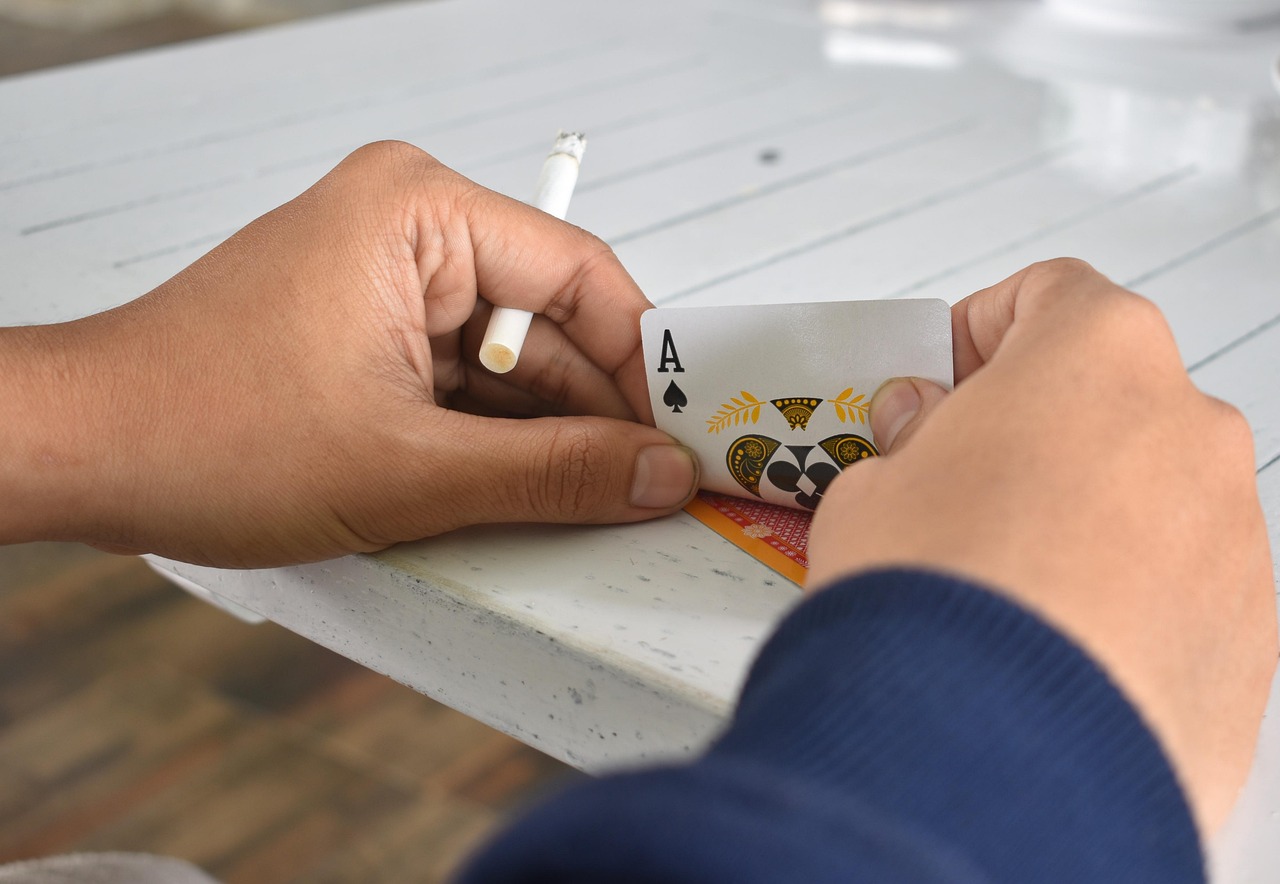
Most people who walk into a casino or open a betting app assume the games are basically the same: you put money down, you get lucky or you don't, and the house always wins in the end. That's roughly true, but it hides the interesting part. A slot machine, a poker table, and a sportsbook are three completely different animals once you look at the math underneath them. Understanding those differences won't turn you into a professional gambler overnight — but it will stop you from playing the wrong game for the wrong reasons.
Slots: The House Edge Is Fixed and Brutal
Slot machines are the purest form of gambling available. There's no skill, no bluffing, no reading the room. You push a button and a random number generator (RNG) decides your fate. What most players don't internalize is that the RNG runs constantly, even when nobody is playing that machine. It spins millions of numbers per second, and when you hit the button, it grabs whatever number is current. Nothing about your timing, your bet size, or how long you've been losing changes the outcome.
The number that actually matters is the return to player, or RTP. Most modern video slots sit between 94% and 96.5% RTP. That sounds fine until you realize it means the house keeps 3.5% to 6% of every dollar wagered over millions of spins. On a slot with 96% RTP, feeding it $1,000 in total bets means an expected loss of $40 — but variance means any individual session can swing violently in either direction. kqbd offers a practical breakdown of the topic.
- High-volatility slots (think Book of Dead, Money Train) pay rarely but can pay huge. Bankrolls evaporate fast.
- Low-volatility slots (Starburst, classic 3-reel games) pay small amounts frequently. Better for grinding.
- Progressive jackpots usually have lower base RTP because a slice of each bet feeds the jackpot pool.
A practical tip: check the RTP in the game's info screen before you play. Some operators run the same slot at 94% on one site and 96% on another. That 2% difference is enormous over a few thousand spins, and it's one of the few variables you actually control.
Poker: The Only Game Where You're Not Playing the House
Poker is the odd one out. In a cash game or tournament, you're not betting against the casino — you're betting against other players. The house takes a rake, usually 5% of each pot capped at a few dollars, and that's it. Everything else is decided by skill, psychology, and math.
This is why poker is the only casino game where long-term winners exist. A strong player can beat a weak table for years because the edge comes from opponents' mistakes, not from a fixed house percentage. The flip side is that a weak player loses faster in poker than in almost any other game, because good opponents will exploit every leak.
What Actually Separates Winners From Losers
- Position. Acting last gives you more information. It's the single most underrated edge in no-limit hold'em.
- Bankroll management. Serious cash-game players keep at least 20 buy-ins for their stake. Tournament players need 50 to 100.
- Hand selection. Playing too many hands is the most common leak at low stakes. Folding is free.
- Reading ranges, not hands. You never know exactly what someone holds. You estimate what they could hold based on their actions.
The rake is the silent killer in low-stakes poker. In a $1/$2 game with a $5 cap, the house can take $40–$60 an hour off the table. That money never comes back, which means the player pool has to collectively lose that amount before anyone profits.
Sports Betting: Information Is the Edge
Sports betting sits somewhere between slots and poker. There's genuine skill involved — modeling, injury news, line movement, weather — but you're still paying a vig to the bookmaker on every bet. A standard -110 line on both sides of a game means you need to win about 52.4% of your bets just to break even. Most casual bettors hover around 48–50%, which is why the sportsbook's margins compound quietly over a season.
Sharp bettors focus on a few specific things:
- Closing line value (CLV). If you consistently beat the closing line, you're probably a long-term winner. This is the industry's gold-standard metric.
- Line shopping. Getting -105 instead of -110 on the same bet adds up to thousands over a year.
- Specialization. The best bettors know one or two leagues deeply — obscure soccer divisions, WNBA props, college baseball — rather than betting everything.
Live betting has exploded in the last five years, and it's a double-edged sword. The in-play odds move fast, and books build in higher margins because they can. If you're not watching the game live with a data feed, you're at a serious disadvantage against the people who are.
The Common Thread: Variance Is Not Your Friend
Every one of these games has a shared enemy, and it's variance. Even a player with a real edge can lose for months. A 55% sports bettor over 1,000 bets has a meaningful chance of finishing the year in the red. A winning poker player can drop 10 buy-ins in a week without doing anything wrong. Slots players experience it as dead spins — sometimes hundreds in a row.
The practical response is the same across all three disciplines: define your bankroll before you start, never chase losses, and treat every session as one small data point inside a much larger sample. If you can't afford to lose the money you're putting down, you're not gambling — you're hoping. And hope has terrible odds.
Which Game Should You Actually Play?
If you want entertainment with a predictable, fixed cost, play slots with a small stake and a hard stop-loss. If you're competitive and willing to study, poker gives you the best chance of actually winning long term. If you follow sports closely and have the discipline to track your bets, sports betting can be profitable — but only for the small percentage of people who treat it like a job rather than a hobby.
What you shouldn't do is assume any of them are a shortcut. The math doesn't care how confident you feel. The players who last are the ones who respect the numbers, manage their money like adults, and walk away when the session stops being fun. Everything else is noise.


Post a comment