


The iGaming Edge: Mastering Casino, Bets, Slots, and Poker
You've probably heard the pitch: iGaming is a gold rush, a digital casino floor open 24/7 where fortunes are made with a tap. But scratch the surface and t
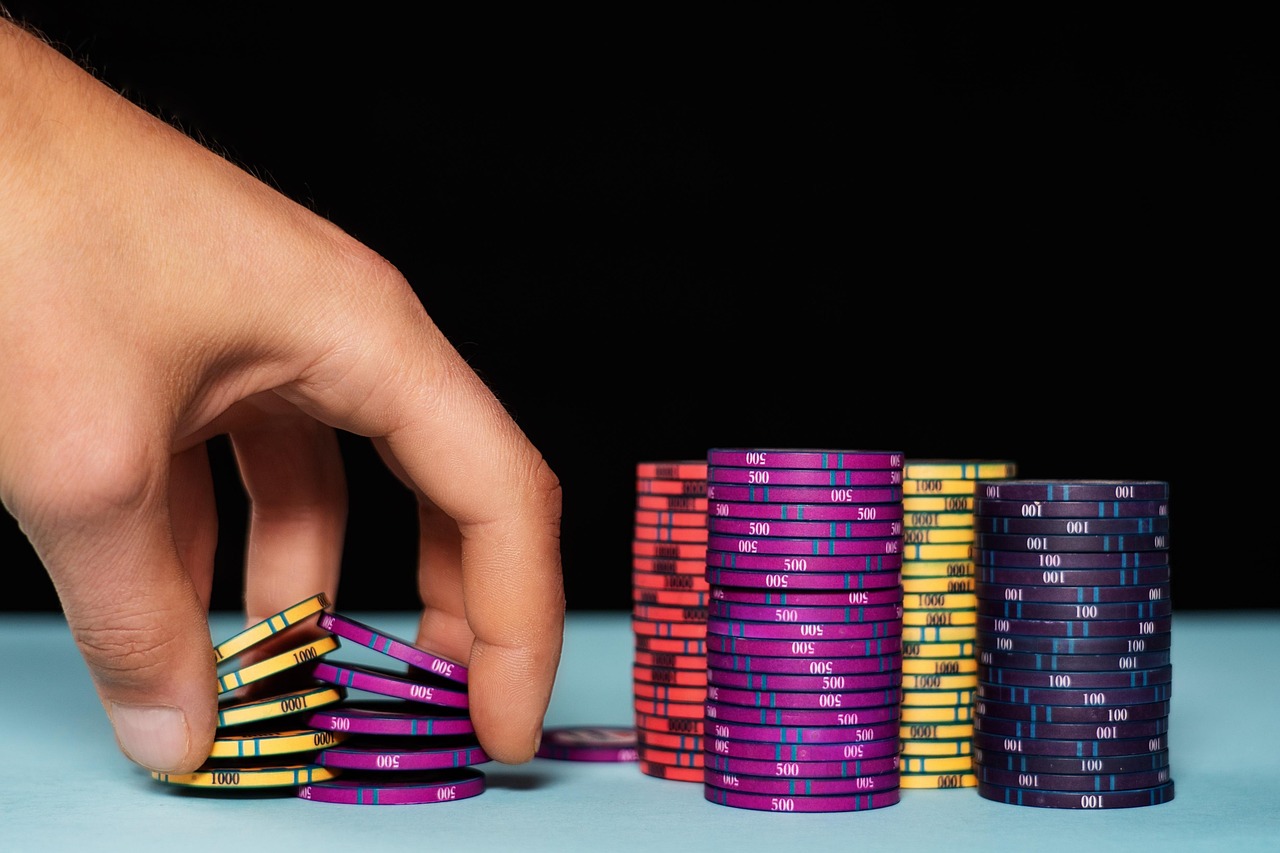
You've probably heard the pitch: iGaming is a gold rush, a digital casino floor open 24/7 where fortunes are made with a tap. But scratch the surface and the reality is far more nuanced. It's a $100 billion industry built on math, psychology, and split-second decisions. Whether you're spinning slots, grinding poker tables, or sweating a parlay, understanding the mechanics behind the games is your only real edge. Let's cut through the noise and get practical.
iGaming 101: More Than Just Online Gambling
iGaming covers any real-money wagering done over the internet—casino games, sports betting, poker, and even virtual sports. The key difference from land-based gambling? Speed and access. You can open a poker table in seconds, place a live bet on a soccer match, or run 500 slot spins in the time it takes to drive to a casino. That convenience is a double-edged sword. The house edge never sleeps, and neither does your ability to chase losses. The smartest players treat iGaming like any other form of entertainment: set a budget, stick to it, and never bet rent money. Platforms are regulated differently across jurisdictions— Malta, Gibraltar, and Curacao are common licensing bodies—so always check where your casino or sportsbook is licensed. A reputable license means audits, fair RNG certification, and recourse if something goes wrong.
Casino Games: Know Your House Edge
Not all casino games are created equal. The house edge—the mathematical advantage the casino holds on every bet—varies wildly, and ignoring it is how your bankroll evaporates. Here's a quick breakdown of common games:
- Blackjack: House edge as low as 0.5% with basic strategy. The catch? You must learn the strategy chart and avoid poor rules like 6:5 payouts.
- Roulette: European single-zero wheel has a 2.7% edge; American double-zero jumps to 5.26%. Always pick European.
- Baccarat: Betting on the banker gives a 1.06% edge—one of the best bets in the casino. Tie bets? A sucker's game at 14%+.
- Craps: Pass line with odds can drop the edge below 1%. But avoid the sucker bets in the middle of the table.
The lesson: if you're playing anything other than blackjack, baccarat, or craps with odds, you're paying a premium for entertainment. That's fine—just know the price.
Slots: Volatility, RTP, and the Myth of Hot Machines
Slots are the money-makers for casinos, often accounting for 70-80% of revenue. And for good reason: they're simple, flashy, and psychologically engineered to keep you pulling the lever. But they're not random in the way most people think. Every slot has a Return to Player (RTP) percentage—the theoretical amount returned to players over millions of spins. An RTP of 96% means the house keeps 4% on average. But here's the kicker: RTP is a long-term average, not a guarantee. You can hit a 10,000x jackpot on your first spin or bleed out over 1,000 spins on a 99% RTP game.
Volatility matters more for your session. High-volatility slots (like Book of Dead or Money Train) pay rarely but can be massive. Low-volatility slots (like Starburst) pay smaller amounts more frequently. Neither is 'better'—it depends on your bankroll and risk tolerance. And no, machines don't go 'hot' or 'cold.' Each spin is independent. The only thing you can control is the game's RTP (check the paytable) and your bet size. Always bet the max lines to avoid missing out on jackpots, but never bet more than 1-2% of your bankroll per spin. More background can be found at สล็อตเว็บตรง.
Sports Betting: From Spreads to Parlays
Sports betting has exploded in the US post-2018, and iGaming platforms have made it a 24/7 activity. But the odds are stacked against you—literally. The vig (or juice) is the bookmaker's cut, typically 4-5% on a standard -110 line. That means you need to win 52.4% of your bets just to break even. Most casual bettors don't. To gain an edge, you need to understand concepts like Expected Value (EV). A bet with positive EV is one where the true probability of an outcome is higher than the implied probability from the odds. For example, if you think a team has a 60% chance to win but the odds imply 50%, that's +EV.
Parlays are tempting—big payouts for small stakes—but they compound the house edge. A 5-team parlay at -110 each has a true payout of about 24.4 to 1, but the book offers 22 to 1. The more legs, the worse your EV. If you love parlays, stick to 2-3 legs max. And line shopping is non-negotiable. Different sportsbooks offer different odds; a half-point difference can flip a loss into a win. Use odds comparison tools religiously.
Poker: The Only Game Where You Can Beat the House
Unlike casino games, poker is a skill game played against other players, not the house. The casino takes a rake (a small percentage of each pot), but your edge comes from exploiting weaker opponents. The golden rule: game selection matters more than any fancy play. Find tables with loose, passive players—they call too much and bluff too little. Then play tight-aggressive: fold marginal hands, bet your strong hands, and don't chase draws without proper odds.
Bankroll management is where most players fail. A common rule for cash games is 20-30 buy-ins for your stake. For tournaments, 50-100 buy-ins. If you're playing $1/$2 no-limit hold'em, you need at least $4,000 dedicated to poker. That's not your rent money—it's your poker roll. And track every session. Win rate, hours played, tilt episodes. Data doesn't lie; your memory does. Also, consider studying modern tools like solvers and equity calculators. But remember: solvers assume perfect play; your opponents are far from perfect. Exploit their mistakes instead of trying to play GTO (game theory optimal) against a calling station.
The Bottom Line: Play Smart, Not Just Hard
iGaming is a thrill, but it's also a business. The casinos and sportsbooks have mathematical edges baked in; your job is to minimize their edge, maximize your entertainment value, and walk away when the fun stops. Set deposit limits, use time-outs, and never chase losses. Whether you're spinning slots at 96% RTP, betting a +EV parlay, or grinding micro-stakes poker, the players who last are the ones who treat it like a game of decisions, not luck. The house always has an edge—but with discipline, you can make sure it's a small one.


Post a comment